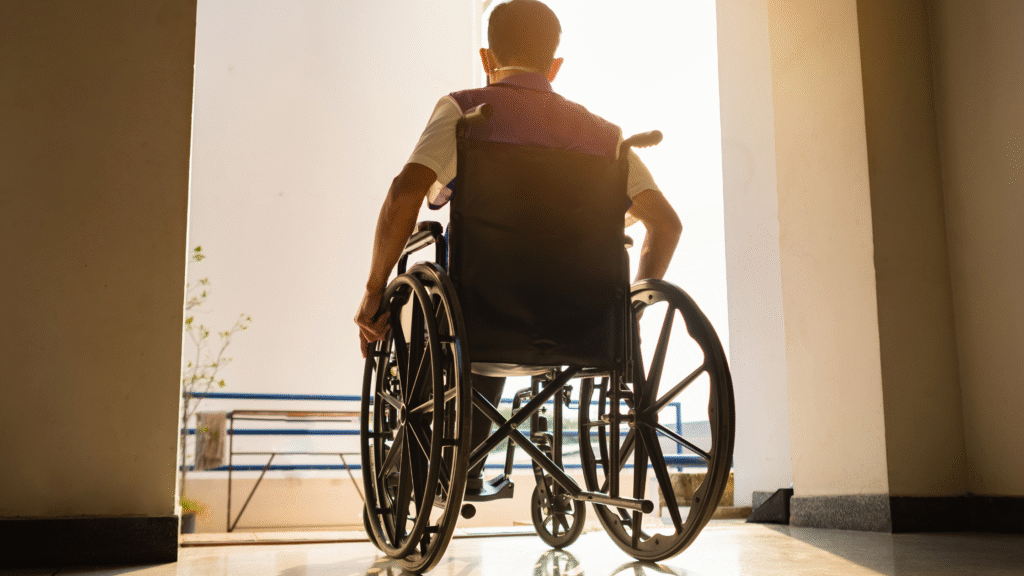
Winter presents a unique set of challenges for injured workers; especially those with mobility impairments, seating/rehab equipment needs, home modifications or complex assistive devices. For adjusters and case managers, being proactive during the colder months can reduce complication risks, prevent delays and improve outcomes.
The winter mobility challenge
From icy walkways and snow-packed driveways to colder indoor surfaces and equipment that may malfunction in low temperatures, winter conditions raise the bar for mobility support. Studies show winter slip-and-falls and weather-related injuries spike during cold months. For injured workers relying on mobility devices, these hazards compound:
- Slippery surfaces or uneven clearing increase fall risk, especially when transferring or navigating with mobility equipment.
- Equipment exposed to cold or moisture may perform less reliably (e.g., battery output, caster grip, ramp traction).
- Home access and egress become more complex when snow/ice accumulate, affecting safe delivery, installation and use of assistive devices.
- Case managers may face extended timelines, increased service calls, or re-work if winter factors weren’t anticipated.
Proactive mobility-support tips for winter
Here are key actions adjusters and case managers can implement to better support injured workers with mobility needs during winter:
Conduct a winter-proof access check early.
- Review the home access route: driveway, walkway, threshold, ramp, door width, lighting.
- Confirm the path will be cleared of snow/ice and is passable for delivery and device use.
- Ask: Are handrails stable? Are surfaces non-slip? Is lighting adequate at dusk/early morning?
Ensure mobility equipment is winter-ready.
- Check battery performance for power wheelchairs/scooters in colder temperatures, ensure the charging station is in a dry space.
- Verify tires/casters are appropriate for possible outdoor transit or slick surfaces.
- Confirm that ramps or lifts (if used) are cleared and not blocked by snow or ice buildup.
- Schedule preventive maintenance: cold weather can bring unexpected faults.
Coordinate with service/vendor partners for winter contingencies.
- Ensure the vendor knows the delivery and installation route will have snow/ice cleared.
- Set expectations for timing (allow extra buffer).
- Ask whether the vendor offers interim solutions (loaner device) if weather delays arrival.
Educate injured workers and caregivers.
- Encourage proper winter footwear or traction aids when using mobility equipment outdoors.
- Remind them to keep walkways clear, use mats at doorways, and wipe shoes/damp wheels to avoid indoor slip hazards.
- Provide guidance on safe transfers in cold conditions (e.g., slower pace, more lighting, avoid rushing).
- Advise indoor environment: rugs, transition zones, threshold heights; especially where moisture may cause slip risk.
Monitor outcome metrics specific to winter risk period.
- Track days from referral to equipment/service delivery during winter months vs. non-winter months.
- Record number of re-work or service calls due to weather/ice-related issues for mobility installs.
- Evaluate whether winter-specific delays are causing prolonged disability or RTW setbacks.
Why this focus matters
By intentionally prepping for winter mobility issues, adjusters and case managers reduce the likelihood of:
- Delayed equipment delivery or installation due to weather or site inaccessibility.
- Re-work or remediation caused by inadequate access/conditions.
- Injured worker falls or secondary injuries triggered by winter hazards.
- Prolonged disability or increased cost of claim due to interrupted mobility support.
Winter isn’t just a seasonal backdrop; it’s a risk multiplier for injured workers with mobility challenges and the claims teams supporting them. Adjusters and case managers who integrate winter-season planning into their mobility workflows will drive smoother transitions, fewer complications, and better outcomes.
Start your winter mobility checklist now: review home access, confirm winter-ready equipment, align vendor timelines, educate the worker and monitor for weather-related delays. The extra prep means safer mobility and fewer surprises.