What High-Performing Claims Teams Do Differently

Wednesday, April 8th, 2026

Claims performance is rarely driven by a single factor. Two claims with comparable injuries can have very different outcomes, timelines, and total costs. What separates high-performing claims teams from the rest is not simply experience or speed. It is how they structure decision-making, how they integrate clinical insight with operational execution, and how they approach the entire recovery pathway. 

High-performing claims teams understand that successful outcomes are not just about paying benefits on time. They are about creating predictable recovery trajectories, reducing unnecessary delays, and improving functional outcomes for injured workers. Teams that achieve these results do so because they take a fundamentally different approach to key elements of the claim lifecycle. 

They Use Functional Assessment, Not Just Diagnosis Codes 

Traditional claims models often prioritize diagnosis codes, medical reports, and injury severity as the primary indicators of claim direction. High-performing teams go beyond these surface metrics. They emphasize early functional assessment by qualified professionals who evaluate not only the injury but also the worker’s real life environment. 

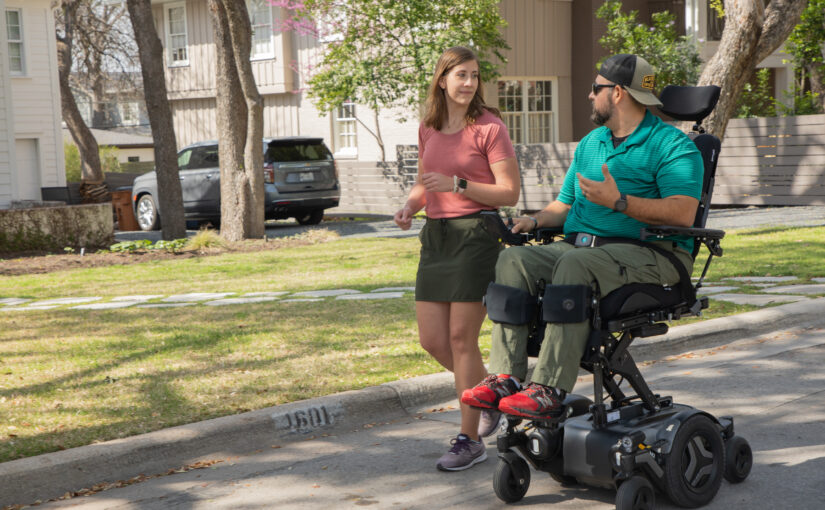
For example, understanding how a worker will navigate their home space or perform daily activities can reveal barriers that standard clinical reporting does not. A wheelchair that fits on paper may not fit through a doorway at home. An assistive device may be clinically appropriate but operationally impractical without a corresponding environmental assessment. By prioritizing functional assessment early, high-performing teams reduce rework, prevent delays, and align solutions with real-world needs. 

They Coordinate Care Across All Touchpoints 

Care management and care coordination are related but distinct functions. Care management focuses on clinical oversight and ensuring appropriate treatment is pursued. Care coordination expands beyond that to include all aspects of the recovery pathway. This includes equipment procurement, adaptive housing modifications, environmental evaluation, and ongoing communication between clinicians, claims professionals, caregivers, and the injured worker. 

High-performing claims teams avoid fragmented care pathways where multiple vendors and professionals operate in silos. Instead, they establish unified accountability and communication channels that minimize friction, reduce administrative burden, and accelerate progress toward functional milestones. 

They Integrate Clinical Insight with Operational Execution 

Clinically sound decisions do not automatically result in optimal outcomes unless they are executed effectively in the real world. High-performing claims teams integrate clinical insight with operational execution by involving credentialed clinical professionals early and consistently throughout the claim lifecycle. Occupational Therapists, Assistive Technology Professionals, and Certified Rehabilitation Technology Specialists provide real-world functional perspective that drives better decisions regarding mobility solutions, rehabilitation technology, and adaptive housing needs. 

This integration ensures that the solutions chosen are both clinically appropriate and operationally practical. It also creates opportunities for teams to anticipate and mitigate challenges before they cause delays. 

They Embrace Proactive Rather Than Reactive Planning 

Reactive claims management is often synonymous with delay and complication. When challenges are only addressed after they emerge, timelines extend and costs rise. High-performing claims teams employ proactive planning that anticipates needs before they become obstacles. 

Proactive planning includes early environmental assessment, pre-discharge coordination of equipment and home modifications, and frequent communication with all stakeholders. This approach not only reduces downtime but also improves the injured worker’s experience by removing uncertainty from the process. 

They Measure What Matters 

Data drives decision-making, but not all data is equally meaningful. Traditional claims metrics such as loss cost and indemnity days are important, but they only describe what has already happened. High-performing teams measure indicators that reflect why recovery is progressing or slowing. These can include functional milestones, turnaround time on equipment delivery, rate of successful discharge plans, and frequency of reorders due to misfit solutions. 

By measuring the right performance indicators, teams can identify bottlenecks early, validate what is working, and make adjustments that improve future outcomes. 

They Prioritize Communication and Transparency 

Claims involve multiple stakeholders with different priorities and perspectives. High-performing teams excel at facilitating clear, ongoing communication with injured workers, clinical providers, caregivers, and internal stakeholders. This transparency ensures that expectations are aligned, progress is visible, and barriers are addressed collaboratively rather than sequentially. 

Effective communication helps maintain momentum and prevents costly misunderstandings that can contribute to longer claim durations. 

Conclusion 

What high-performing claims teams do differently is not a secret. They: 

  • Prioritize functional assessment over surface metrics 
  • Coordinate care across clinical and operational touchpoints 
  • Integrate clinical insight with real-world execution 
  • Plan proactively instead of reacting to delays 
  • Measure meaningful indicators that illuminate bottlenecks 
  • Maintain open and transparent communication with all stakeholders 

These teams recognize that claims outcomes are driven by both clinical quality and process integrity. By aligning strategy with execution, they are better positioned to deliver predictable recoveries, lower total cost of risk, and improved experiences for injured workers. 

For organizations seeking to improve claims performance, the opportunity is clear. The question is not whether these practices work. It is how to implement them consistently across every claim in the next policy year. 

Get in touch today. 

Meet Katherine Nelson!

Sunday, May 19th, 2024

Katherine Nelson just joined ATF Medical as Vice President of National Sales. She brings 30+ years of experience in workers’ comp ancillary services sales and account management. She started out in workers’ comp as a subrogation adjuster and later as a lost-time adjuster.

Katherine’s background spans nearly all phases of ancillary services. Most recently she was Director of National Accounts for The IMA Group, which provides case management and independent medical exam (IME) services. Previously she was with CompAlliance and its related CompDME and CompPBM companies, which among other things, manage catastrophic and post-acute care for injured workers.

Earlier, she was an Executive Vice President and an owner in Tampa-based Priority Care Solutions, where Jim Rogalsky was also an owner. She previously worked for Cypress Care, a pharmacy benefit manager that was acquired by Healthcare Solutions and later Optum. And she also worked for TechHealth, a specialized cost-containment company that is now part of OneCall.

But enough about the career history, here’s a Q&A to give you a better sense of our new colleague.

You’ve had a strong career in workers’ comp. What do you like about it?

I find satisfaction in being able to leverage my knowledge and skills to assist others. It’s fulfilling to know that I’m helping people navigate this complex industry and providing support and solutions that make a difference.

How did being an adjuster help you move into sales?

I learned how adjusters think as well as what they do. I mean, you’re an investigator and a medical person; there are so many roles adjusters play. This knowledge and experience help me anticipate what an adjuster might ask before they have to ask it. I understand and speak their language.

Trust is huge in this industry and memories are long. You need a good work ethic and you’ve got to take responsibility if things go wrong.

Staying top of mind is still important, too. It just got harder when people left the office to work from home. We had to get more creative. During the early months of COVID, I sent care packages with toilet paper, masks, gloves, hand sanitizer, and a little fob for pushing elevator and other buttons to adjusters’ homes.

Everyone was doing Zoom meetings and webinars, so you had to stand out. I once did a “Who Wants to be a Millionaire” style webinar, stopping every few minutes to ask questions like “name five of our DME products.” Interactivity is key to a good presentation.

What do you like about the industry?

The relationships! So many of my clients and colleagues have become my closest friends. It’s a small industry and it’s easy to get to know people.

Also, it’s never boring. I started in subrogation and had to learn the legalities and investigative side of things. You can take two incidents with nearly identical injuries and see two cases veer in opposite directions.

It’s rewarding to help an injured worker return to some form of normalcy, I mean, life is never the same for a worker with a catastrophic injury. But some workers take the view that their life is not over and are motivated to try to get back to enjoying activities. And now there are so many marathons, competitions, all-terrain vehicles, and other advances that give them opportunities they just didn’t have years ago. Rehab technology is always progressing, too. There are new products, new features and lots of upgrades every year. Standing wheelchairs were a real breakthrough.

You live in Las Vegas, so do you see a lot of shows and hit the casinos?

My husband and I see many shows and especially the Cirque de Solei performances, but because we’ve been here so long, we tend to avoid the strip when we can.

What do you like to do for fun? Any interesting hobbies?

We have two grown children to visit, one in California and the other in Oklahoma, and we enjoy cruises – really anything water-related, jet skis included.

But my real hobby has been acting! Growing up, I was involved in skits at church and later became head of the drama department. And when I lived in California, I was involved in murder mystery dinner theater for several years. The mystery changed every five months or so between rehearsals and performances on Friday and Saturday so that and working full-time kept me busy.

Have you appeared in any movies we might have seen?

I was in Semi-Pro with Will Farrell, Moneyball with Brad Pitt, and Angels in the Outfield with Danny Glover; these are some. (Anyone else sense a sports theme, here?)

Katherine should fit in very well at ATF Medical. To welcome her, find out if she’s related to our Co-Founder Susan Nelson or learn if Brad Pitt is as handsome in person as on-screen, email her at knelson@atfmedical.com


ATF Medical Launches Continuing Education Series for Case Managers

Tuesday, January 16th, 2024

Newnan, Georgia (January 16, 2024) — ATF Medical, a national provider of complex equipment and adaptive housing programs in the workers’ compensation industry, has launched its “Making Complex Simple” educational series for case managers. Each of the three free courses in Quarter 1 offers a one-hour continuing education credit for Certified Case Managers and State Nursing licenses.

Designed for professionals who manage complex and catastrophic workers’ compensation claims, the courses dive into different aspects of complex rehab technology and home modifications.

“We believe it’s critical to provide credible education on these complex products and services to our partners,” said Brendan Swift, Vice President, Payer Partnerships & Marketing. “Ongoing advancements in technology drive the need for continued education and awareness. This series is just another way ATF Medical works to provide support, communication and knowledge to our partners, nationwide.”

Making Complex Simple – Quarter 1 Courses:

Introduction to Complex Rehab Technology (CRT) / January 31, 10 a.m. ET/7 a.m. PT

Selecting the optimal power wheelchair for a specific injured worker with an overview of the types, features, and uses of equipment.

Registration link: https://atfmedical.zoom.us/webinar/register/9217049082209/WN_WWJCqRamRvyBakQhYVsE3A


Benefits of Standing Wheelchairs / February 28, 10 a.m. ET/7 a.m. PT

Avoiding health risks associated with long term wheelchair use and multiple clinical and psychological benefits when standing features are added to wheelchairs. Registration link: https://atfmedical.zoom.us/webinar/register/4517049083588/WN_kyIvArIyTheXuaqy-HILHA


Introduction to Home Modifications / March 27 10 a.m. ET/7 a.m. PT

Providing safety, accessibility and mobility to the injured worker after discharge. Adaptive housing products, methods, common pitfalls, ways to avoid unnecessary costs. Registration link: https://atfmedical.zoom.us/webinar/register/1417049084472/WN_CGCKZPQ3QsWtlClyDsVyEQ

Plans call for holding free educational webinars each month. Open to all workers’ comp professionals, each course makes a one-hour continuing education credit available for Certified Case Managers and State Nursing licenses in all 50 states. ATF Medical partnered with the CEU Institute to provide the CEUs. For more information on the courses, credits or registration, please contact Abbi Akstulewicz at aakstulewicz@atfmedical.com

 About ATF Medical  ATF Medical (After the Fall, Inc.) the premiere workers’ comp complex equipment and adaptive housing provider, supplies fully integrated mobility and accessibility solutions for workers’ compensation payers and injured workers nationally. The company specializes in complex cases and coordinates all rehabilitation and accessibility needs, including home modifications and vehicle modifications. Based in Newnan, Georgia, ATF Medical can be reached via www.atfmedical.com or by calling 877-880-4283.

# # #

Media Contact: Helen King Patterson, APR, King Knight Communications, 813-690-4787, helen@kingknight.com


Quantum Rehab Introduces its First Rear-Wheel Drive in more than 10 years!

Friday, September 29th, 2023

Rehab magazine ran an article on Quantum Rehab’s new R-TRAK power chair. It’s the company’s first rear-wheel drive in more than a decade.

In the ‘90s only rear-wheel drives and front-wheel drives were available for powerchairs, according to our Senior Rehab Specialist Kevin Wallace, ATP, CRTS. For a while, fewer rear-wheel drive powerchairs were available and with their 27.5” turning radiuses, rear-wheel drives were considered to operate best for outdoor use.

“With a turning radius of roughly 20.5” chairs with mid-wheel drives can maneuver better in the tighter spaces of a home or office,” Kevin said.

It seems the pendulum is starting to swing again, and more people are requesting rear-wheel driving systems as technologies become more enhanced. This new R-TRAK has a 24.2” base so it can work inside as well as outside.

“It’s important to remember that all three types of bases drive differently,” Kevin said.  “An injured worker could face challenges when switching from one to another.”

When considering sophisticated powerchairs ATF Medical’s specialists conduct thorough evaluations of the workers’ comp patient’s condition, goals, home and/or workplace before recommending a specific powerchair.  If you have questions or need assistance with powerchair or other complex rehab technology, connect with kevin.wallace

Here’s the article:


Understanding Spinal Cord Injuries During SCI Awareness Month

Tuesday, September 5th, 2023

This year marks the 10th anniversary of the US Senate’s resolution designating September as National Spinal Cord Injury Awareness Month. In the spirit of increasing awareness, here are some facts from the United Spinal Association

About Spinal Cord Injuries

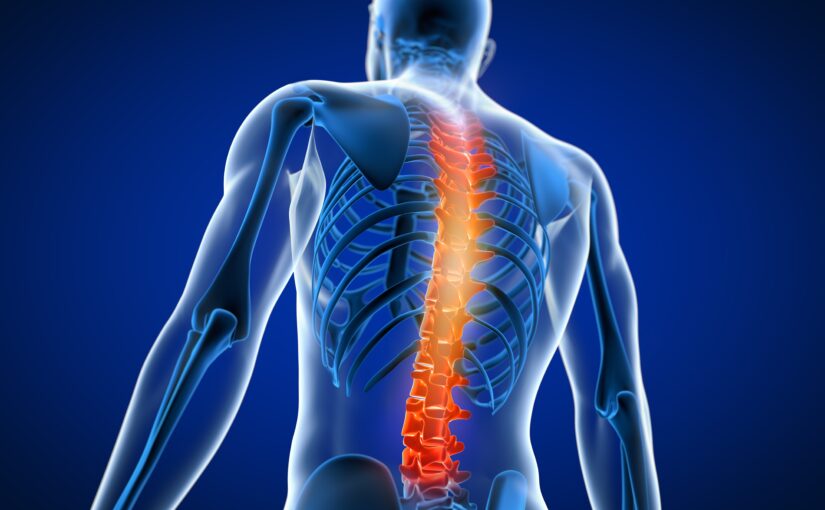
After a spinal cord injury (SCI), the nerves above the level of the injury continue working as they always did.  Below the level of injury, though, messages from the brain to the body may become fully or partially blocked.

The higher the level of the SCI, the greater the impairment.  People with thoracic injuries and lower may retain full use of their arms and hands. However, injuries to the upper cervical region can result in respiratory issues and the loss of limb, bowel, bladder, and sexual function. Not surprisingly, approximately 37% of people who have incurred an SCI report depression.

Facts and Figures

  • Approximately 17,700 Americans acquire a spinal cord injury (SCI) each year.
  • 78% are men
  • The average age is 43

Common Causes:

  • Vehicle accidents – nearly 40%
  • Falls – 31.8%
  • Violence – 13.2%
  • Sports – 8%
  • Medical/Surgery – 4.3%

Workers’ Comp Stat

The frequency of large (over $1 million) workers’ comp claims involving SCIs (and traumatic brain injuries and burns) has grown by nearly 7% per year since 2012, according to NCCI.

Types of Wheelchairs Used 

Spinalcord.com reports that the types of wheelchairs used most often by people who have an SCI are:

  • 39% – manual wheelchairs
  • 27% – power wheelchairs
  • 2% – other types (power-assist wheelchairs, scooters and Hover rounds)

For more information on SCIs, check out these links:

https://www.christopherreeve.org/https://asia-spinalinjury.org/

https://www.spinalinjury101.org/details/resources

https://www.sci-info-pages.com/spinal-cord-injury-organizations/


New Employee Spotlight: Cassie Kratz

Tuesday, August 29th, 2023

Cassie Kratz recently joined ATF Medical, bringing eight years of claims management and direct patient care to her Rehab Coordinator II/Rehab Technology position at ATF Medical.

Most recently as a Senior Claims Specialist for CorLife, the workers’ comp division of NuMotion, she managed day-to-day claims operations and supported a team of Claims Specialists. Cassie is accustomed to coordinating durable medical equipment and complex rehab technology along with vehicle modifications for injured workers.

How did her career progress?

While attending the University of Wisconsin in Stevens Point, Cassie worked as a Direct Support Professional Caregiver at Innovative Services. She served a wide range of people with severe disabilities, including non-verbal quadriplegics, and assisted clients with activities of daily living. This included helping them use Hoyer Lifts and other DME.

“That job showed me the importance of locating the correct equipment and supplies based on an individual’s physical capabilities,” Cassie said.

After graduating with a degree in Health Science, she became an Adult Instructor with the CP Center in Green Bay, Wisconsin. She assessed client performance in specific skill areas and followed physical and occupational therapists’ plans to promote range of motion and independence. And she planned the curriculum for patient educational programs and taught some of them.

Intrigued with complex rehab technology, Cassie moved to CorLife in 2020, where she was introduced to workers’ comp. And she likes it.

“There’s a slight difference in someone who had a disability their whole life, and someone who wants to regain the independence they had prior to the injury,” she said. “Also, the workers’ comp CRT is more sophisticated. It’s never stagnant, there are always newer models and features that can help someone become independent. I’m always learning.”

Speaking of learning, Cassie appreciates how helpful ATF Medical’s technicians are. “They have super busy schedules and caseloads, but they still make time to explain something to me or get on a call with a client to talk through options. I am not alone when trying to solve a problem.”

Cassie, who lives just outside of Green Bay in the village of Luxemburg, has two sassy corgis that keep her busy. She also likes to bake and go boating. And she used to play in a volleyball league, but recently had to slow down because Cassie and her fiancé are expecting a baby! Hopefully, the corgis will approve of the new addition to the family.

Congratulate Cassie on the new position and the baby! Her email is ckratz@atfmedical.com.


ATF Medical’s “Intro to CRT” Webinar Coming on Aug. 16

Monday, July 31st, 2023

Complex rehab technology is, well, complex. With technology advancing at a startling rate, new mobility equipment and features come to market practically every day. How do you determine which one is the best fit for a specific injured worker and justify its cost?

To help case managers better understand CRT, ATF Medical will present a one-hour webinar, “Intro to Complex Rehab Technology (CRT),” starting at 10 a.m. ET/7 a.m. PT on August 16. Register here: https://tinyurl.com/y6r4vzmr

Rick Wyche, ATP, C.E.A.C., ATF Medical’s Executive Director of Payer Partnerships will cover the key categories of custom mobility equipment along with their functions and uses. The clinical and cost benefits of ultra-lightweight manual wheelchairs, power assist devices, power wheelchairs, and power seating will be discussed.

A one-hour continuing education credit for Certified Case Managers is available.

To register for the free webinar, go to https://tinyurl.com/y6r4vzmr.

ATF Medical Recognizes Wound Healing Awareness Month

Tuesday, June 6th, 2023

The American Board of Wound Management (ABWM) designated June as Wound Healing Awareness Month (WHAM!) and June 12-16 as Certified Wound Care Specialists Week. The organization wants to raise awareness of wounds (aka pressure injuries), including challenges patients and practitioners face, and to promote certification for these healthcare providers.

A Few Not Fun Facts:

More than 7 million Americans live with chronic pressure injuries. There are no stats on how many of these are injured workers, but you can bet there are a lot.

Pressure injuries are dangerous. Without prompt and proper treatment, there’s a high chance of infection, hospitalization, and even amputation.

Complications can kill. People can develop infections, including sepsis, which ultimately took the life of “Superman” star Christopher Reeves. Approximately 60,000 people in the US die annually from pressure injury complications.

Wounds are hard to heal. Recovery is difficult even in a hospital setting. It’s especially hard in the uncontrolled environment of an injured worker’s home. The environment must be extremely clean and the injured worker needs proper hygiene and to eat a nutritious diet, plus they need to follow a pressure relieving program.

The Treatment Team

Treatment calls for a collaborative, multidisciplinary approach. There are physicians, surgeons, wound care nurses, wound care centers, wound care consultants, manufacturers, physical therapists, and occupational therapists, along with medical equipment and supply companies–to name a few. And these specialists need to talk to each other, sharing treatment plans and progress, so you also need care coordinators.

ABWM and other organizations provide wound care certification for some of these professions providers as well. You can compare the offerings here.

What Can You Do?

If you manage claims, take time to review those of injured workers who receive home health care, use wheelchairs extensively, are bedridden, or have other risk factors. Talk to case managers to see if patient-education reminders about nutrition or pressure relief techniques are in order. Should elevated seats or standing chairs be considered? If they have serious wounds, what can be done to improve hygiene and home cleanliness?

ATF Medical will help you find the right rehab technology for your particular injured worker. If you have a case that needs attention, please contact us at referrals@atfmedical.com.

Taking steps to foster healing or better–prevent–pressure injuries will save our injured workers from experiencing delayed recovery, tremendous pain, and dangerous complications – and save payers considerable time, worry, and money.

Also, whether you manage claims or not, please take time this month to thank the many providers involved in your patients’ wound care for their hard work.

Zorybel Bernabe Joins ATF Medical as Rehab Coordinator

Tuesday, May 2nd, 2023

Zorybel Bernabe is the latest member of the ATF Medical family.  She recently joined as Rehab Coordinator 1, Rehab Technology

Zorybel works closely with Jaymi Saunders on ATF Medical’s mobility team to ensure workers’ comp patients receive appropriate wheelchairs and other equipment along with equipment repairs. She enjoys communicating with claims representatives of third-party administrators and carriers and is passionate about building relationships with our patients.

“I’m so glad to be in a position where I can work directly with them,” she said. “It’s so rewarding when someone regains mobility after a wheelchair repair.  You know you have really helped them.”

Speaking of wheelchair repairs … she has coordinated several in her first weeks with ATF Medical. “It’s given me more knowledge of the equipment, parts, pieces, manufacturers, and product lifespan,” Zorybel said.

Having worked with Orchid Medical, an ancillary medical management company in workers’ compensation, before, during, and after its acquisition by Sedgwick, she brought a good understanding of home health care and workers’ comp to the position.  Most recently, she was a Provider Relations Representative. In that role, she built and maintained relationships with healthcare providers, ensuring that they were contracted, credentialed, compliant, and that they provided cost-effective, high-quality care.  Earlier she served Orchid as a Senior Complex Care Coordinator, arranging for injured workers to receive appropriate medical services and products.

She honed her care coordination skills in a previous position with Senior Helpers in Orlando, Florida.  As Team Scheduler and Coordinator, Zorybel coordinated staff and worked with family members of dementia patients to meet their care needs.

Now she’s working on the solutions provider side, focused on complex rehab technology. And she likes it. “My supervisor Jaymi has given me the best tools and resources and clearly described the different type of referrals and how to do the job,” she said.

Fluent in Spanish as well as English, Zorybel grew up in Orlando, Florida where still lives. She earned her BS in Biomedical Science from Orlando’s Advent Health University.

When not working, she will continue her travels to different Florida cities to sample different types of ethnic food.  Asian cuisine is her current favorite.

She has also decided that this is the year to do things that are outside her comfort zone. Any suggestions?

Please welcome Zorybel to the team by emailing zbernabe@atfmedical.com and if you’re in the Orlando area, think about joining her on one of those food adventures.


Wheelchair Travelers

Wednesday, December 7th, 2022

The holidays are nearly upon us! And some of our workers’ comp patients who use wheelchairs — including those with spinal cord injuries — want to visit friends and family in distant areas.  This Rehab Management article offers advice for preparing them for traveling with their wheelchairs.